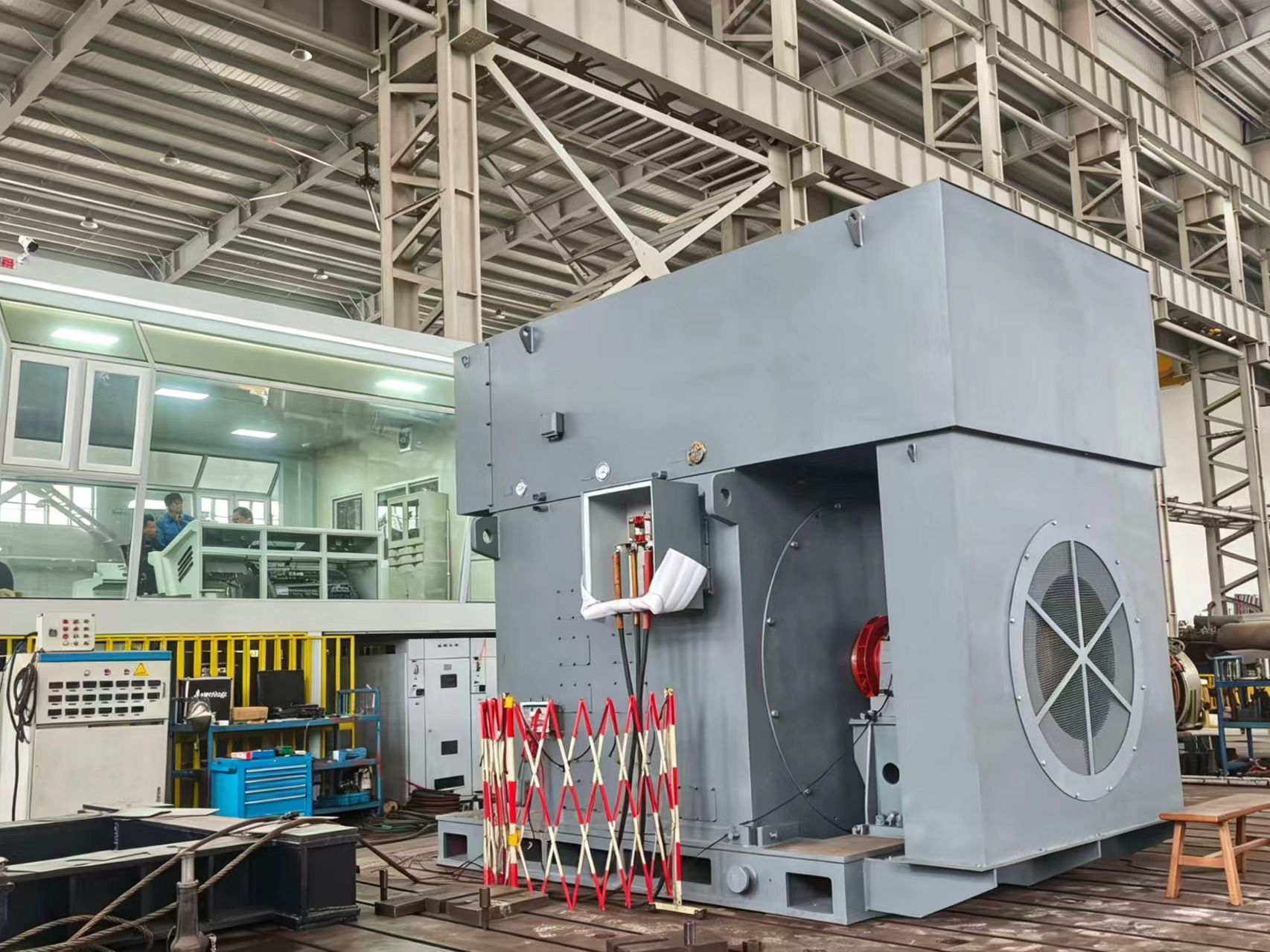
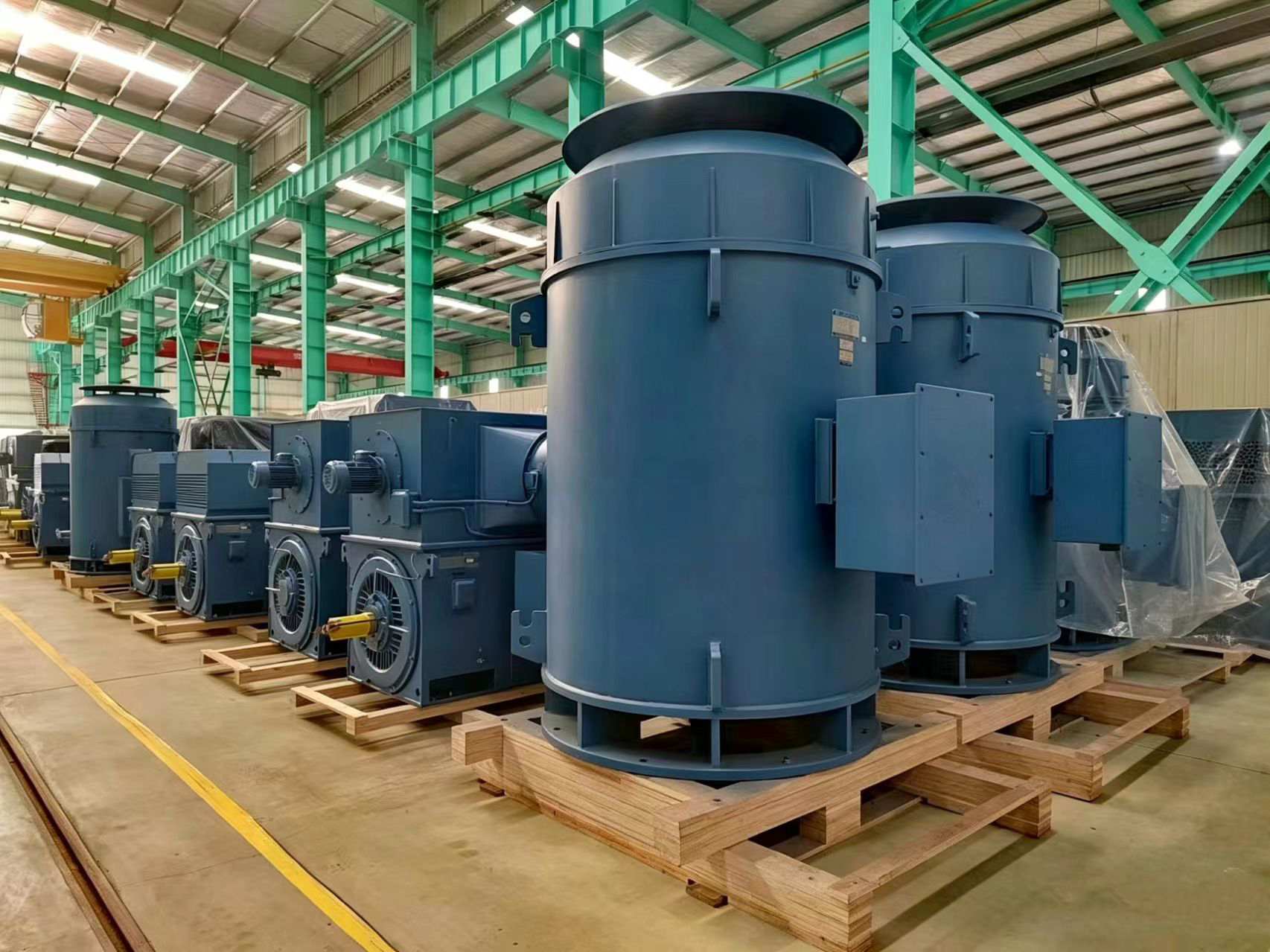
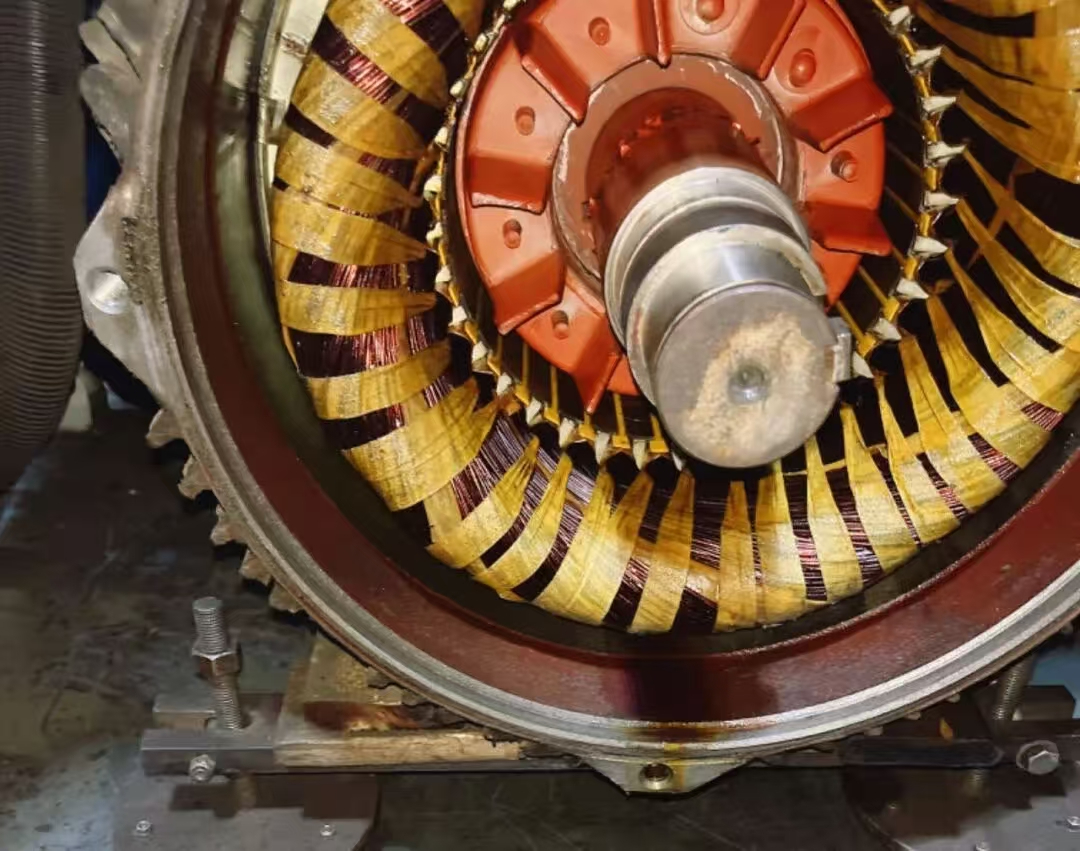
When selecting a high voltage motor for an industrial project, one common question is:
Should we choose a 6kV motor or a 10kV motor?
The answer is not simply “which one is better”. The correct choice depends on the power supply system, motor power, operating conditions, starting method, supporting electrical equipment, and total project cost.
In general, the first principle is:
Check the grid voltage first, then evaluate power, cost, and working conditions.
For existing plants, the power distribution system is often the key factor. Some older industrial facilities still use a 6kV power supply system, while many new projects are designed with a 10kV medium voltage system. If the site already has a 6kV busbar, a 6kV motor is usually the practical choice. If the plant uses a 10kV system, a 10kV motor is normally preferred.
Motor power is another important factor. For the same output power, a 10kV motor has a lower current than a 6kV motor. This can help reduce cable size, voltage drop, line losses, and current stress on switchgear and protection devices. Therefore, 10kV motors are often more suitable for high-power equipment, long-distance power supply, and multiple large motors operating in parallel.
For small and medium power equipment, especially when the existing 6kV system is stable and the cable distance is short, a 6kV motor may still offer better cost performance. For larger equipment, such as large pumps, fans, compressors, mills, blowers, conveyors, and heavy-duty machinery, 10kV motors are often a more economical and reliable long-term solution.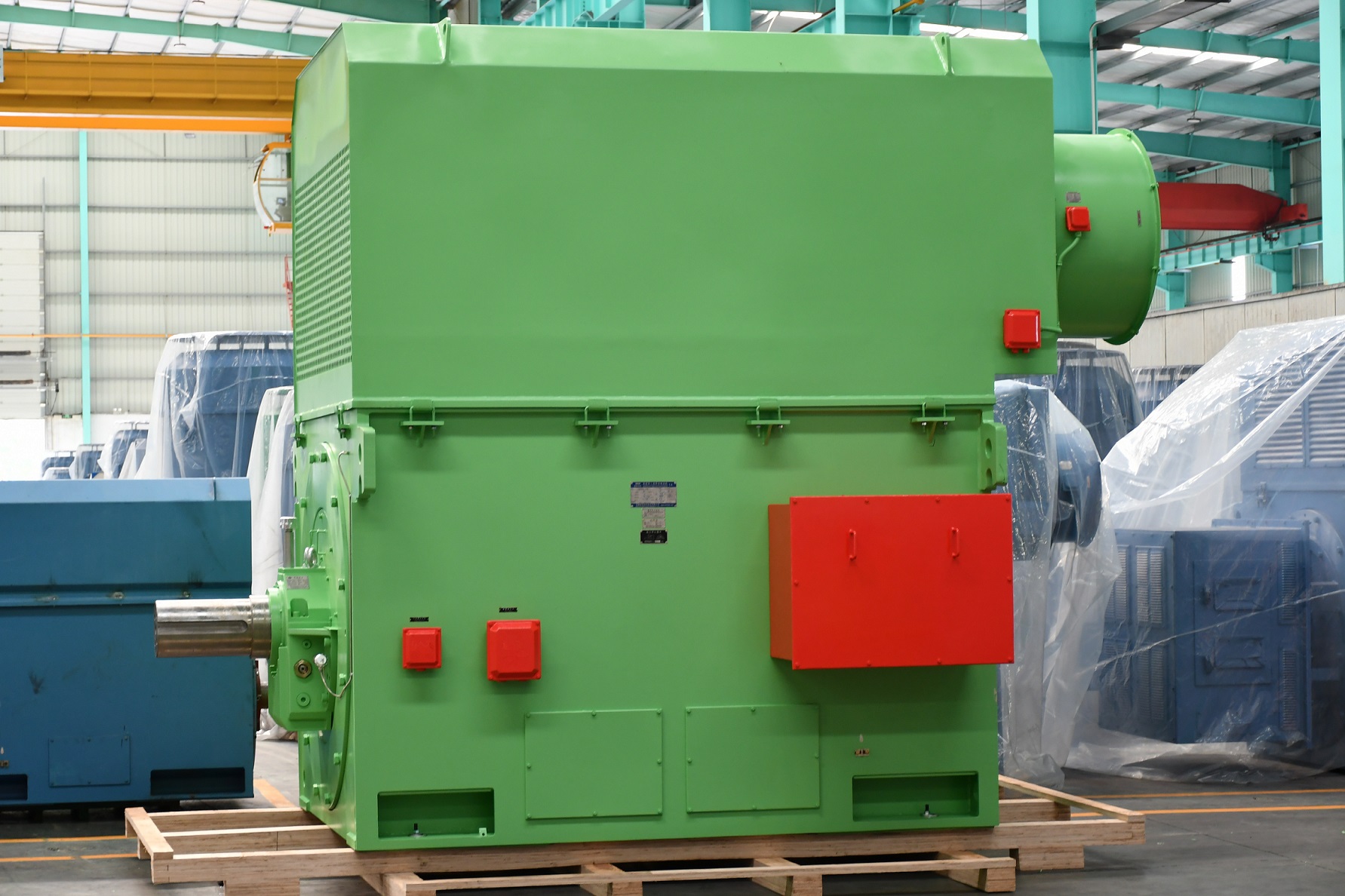
However, one point must be clearly emphasized:
6kV and 10kV motors must not be mixed or connected incorrectly.
A 10kV motor connected directly to a 6kV power supply may suffer from insufficient torque, difficult starting, overload, overheating, and possible motor failure. A 6kV motor connected to a 10kV supply is even more dangerous, as it may cause insulation breakdown, equipment damage, and serious safety risks.
The motor voltage must match the complete electrical system, including:
Medium voltage switchgear
Circuit breakers
Current transformers and voltage transformers
Protection relays
Power cables
Soft starters or variable frequency drives
Insulation level
Grounding system
Starting and protection settings
Therefore, selecting a 6kV or 10kV high voltage motor is not only a motor selection decision. It is a system engineering decision.
For retrofit projects, the existing power grid should be respected to reduce modification cost and technical risk. For new projects, 10kV systems are often preferred because of better scalability, lower current, and stronger long-term economic advantages.
A good motor selection should not only focus on the motor price. It should consider the complete lifecycle cost, system safety, installation conditions, maintenance requirements, and future expansion.
In short: do not select a high voltage motor by nameplate data alone. Select it according to the whole power system.
If you are planning a new industrial project or upgrading existing equipment, choosing the right 6kV or 10kV motor can help improve system reliability, reduce electrical losses, and avoid unnecessary investment risks.