For motor users, selecting the right motor is never just a technical detail. It directly affects equipment reliability, energy efficiency, investment cost, and long-term operating performance.
One common question is: Should we choose a low-voltage motor or a high-voltage motor? Should we use a fixed-speed motor or a variable-frequency solution?
In practice, the answer depends on the actual working conditions. There is no absolute “better” choice between low-voltage and high-voltage motors. The right selection should follow two key principles: matching the application and optimizing total cost.
1. Consider the Load Power and Starting Requirements
For small-power, light-duty, and conventional applications, low-voltage motors are usually the preferred choice. They are easier to install, simpler to maintain, and more cost-effective for standard operating conditions.
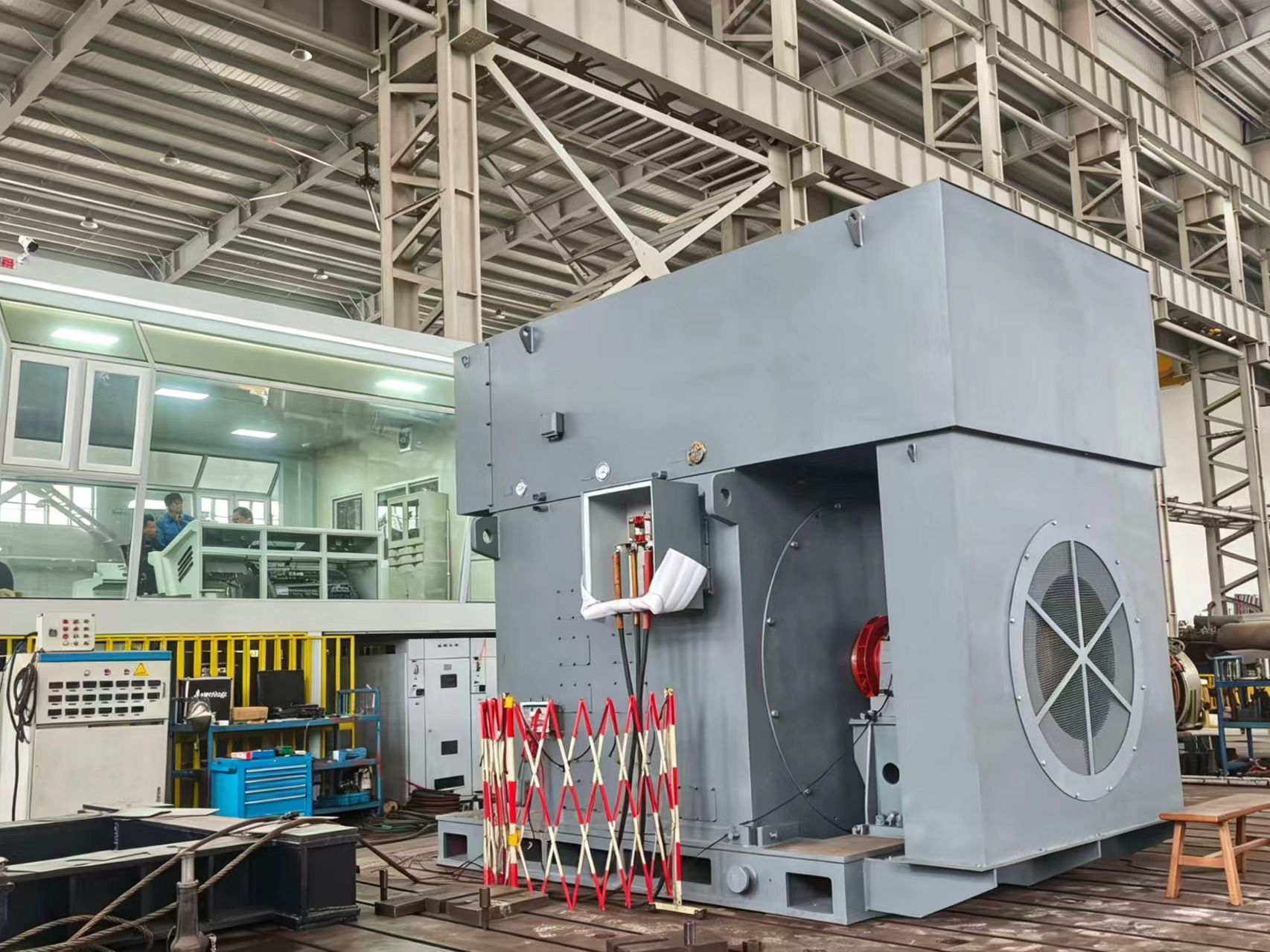
For high-power, heavy-duty, or high-inertia starting applications, high-voltage motors are often more suitable. They can help reduce excessive starting current, minimize voltage drop, and avoid problems such as difficult starting, overload, overheating, or even motor failure.
In demanding applications, especially where equipment requires stable and reliable operation, choosing a high-voltage motor can significantly improve system performance.
2. Evaluate the Power Supply Distance
Power distribution distance is another important factor.
For short-distance power supply and centralized distribution, low-voltage motors can reduce procurement and maintenance costs. They are practical and economical for nearby power supply systems.
However, in long-distance or widely distributed installations, high-voltage motors provide clear advantages. They can reduce line losses, lower cable investment, improve transmission efficiency, and enhance overall power supply stability.
3. Match the Motor to the Site Conditions
The operating environment must also be carefully evaluated.
For humid, dusty, corrosive, explosive, outdoor, high-temperature, or harsh industrial environments, motors with appropriate protection levels, insulation classes, cooling methods, and certifications should be selected.
For intermittent and light-duty applications, low-voltage motors are often sufficient. For heavy-load, impact-load, continuous-duty, or 24/7 operation, high-voltage motors are generally a more reliable choice.
4. Do Not Ignore Variable-Frequency Applications
When variable speed control is required, the selection should not focus only on whether the motor is low-voltage or high-voltage. It is also necessary to consider whether the motor is suitable for inverter operation.
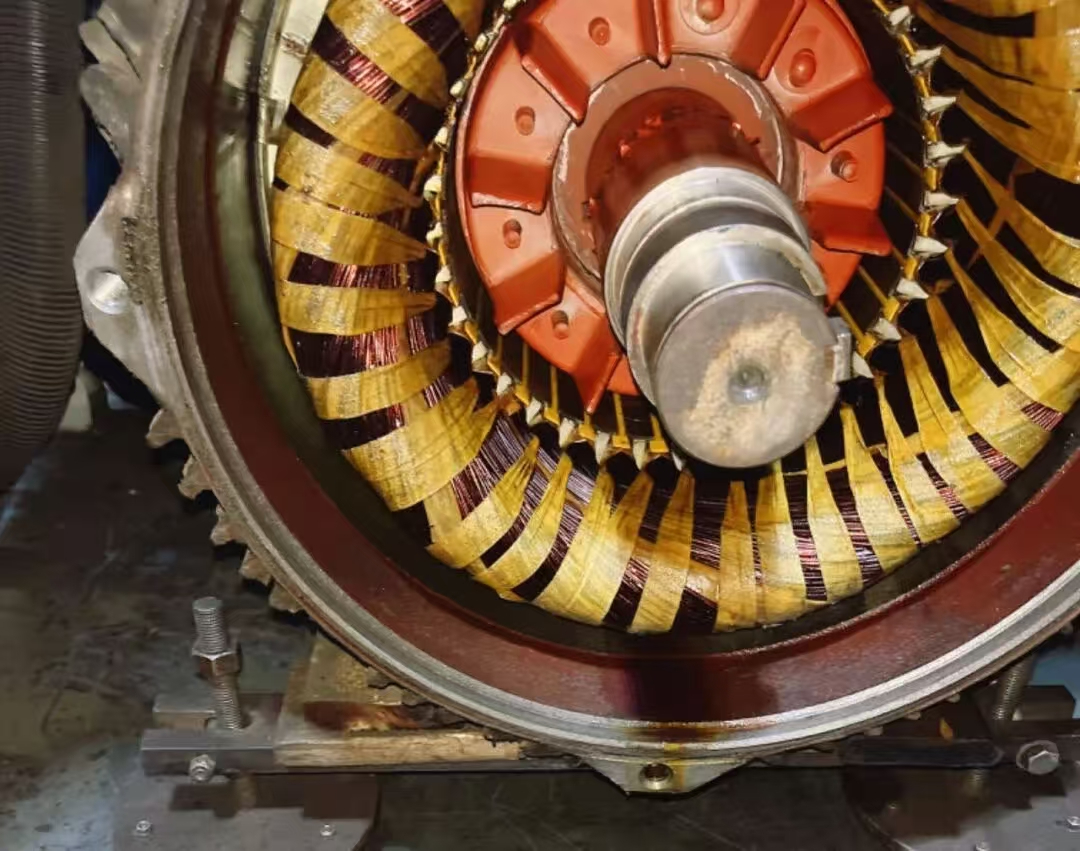
Key factors include insulation performance, bearing current protection, cooling capability at low speed, harmonic effects, and long-term temperature rise. A properly matched motor and VFD system can improve process control, reduce energy consumption, and extend equipment life.
5. Focus on Total Lifecycle Cost
Motor selection should not be based only on the purchase price.
A low-voltage motor may have a lower initial cost, but in high-power or long-distance applications, cable cost, power loss, voltage drop, and maintenance requirements may increase the total cost.
A high-voltage motor may require a higher initial investment, but it can offer better efficiency, lower line losses, improved reliability, and better long-term economic performance in suitable applications.
Final Thought
Low-voltage and high-voltage motors are not competitors. They are solutions for different application scenarios.
The best motor selection comes from a balanced evaluation of load characteristics, power supply conditions, site environment, starting requirements, control method, reliability needs, and lifecycle cost.
A precise motor selection helps ensure efficient operation, controllable cost, and reliable power support for industrial production.
Choosing the right motor is not just about voltage. It is about choosing the right solution for the right application.