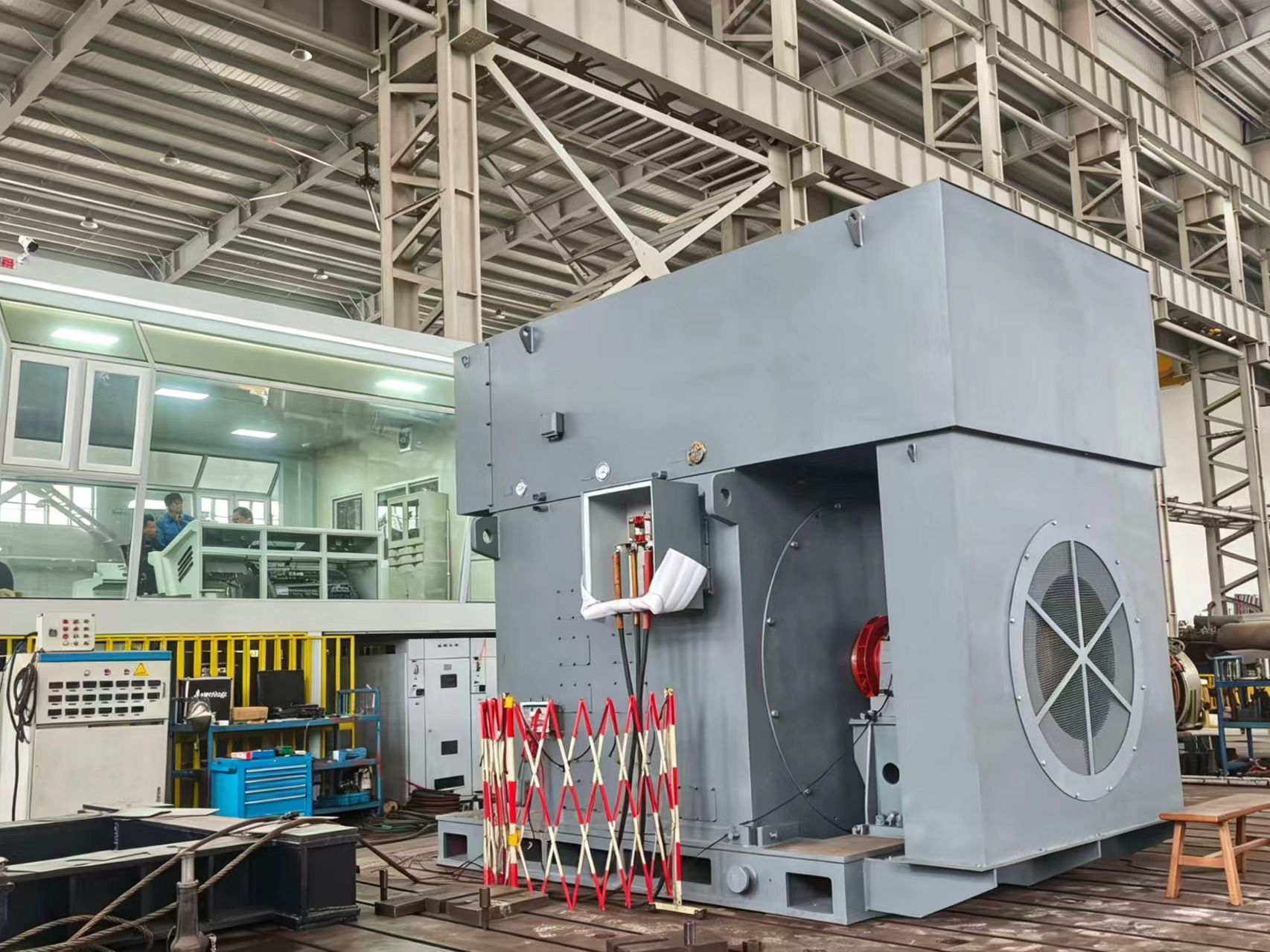
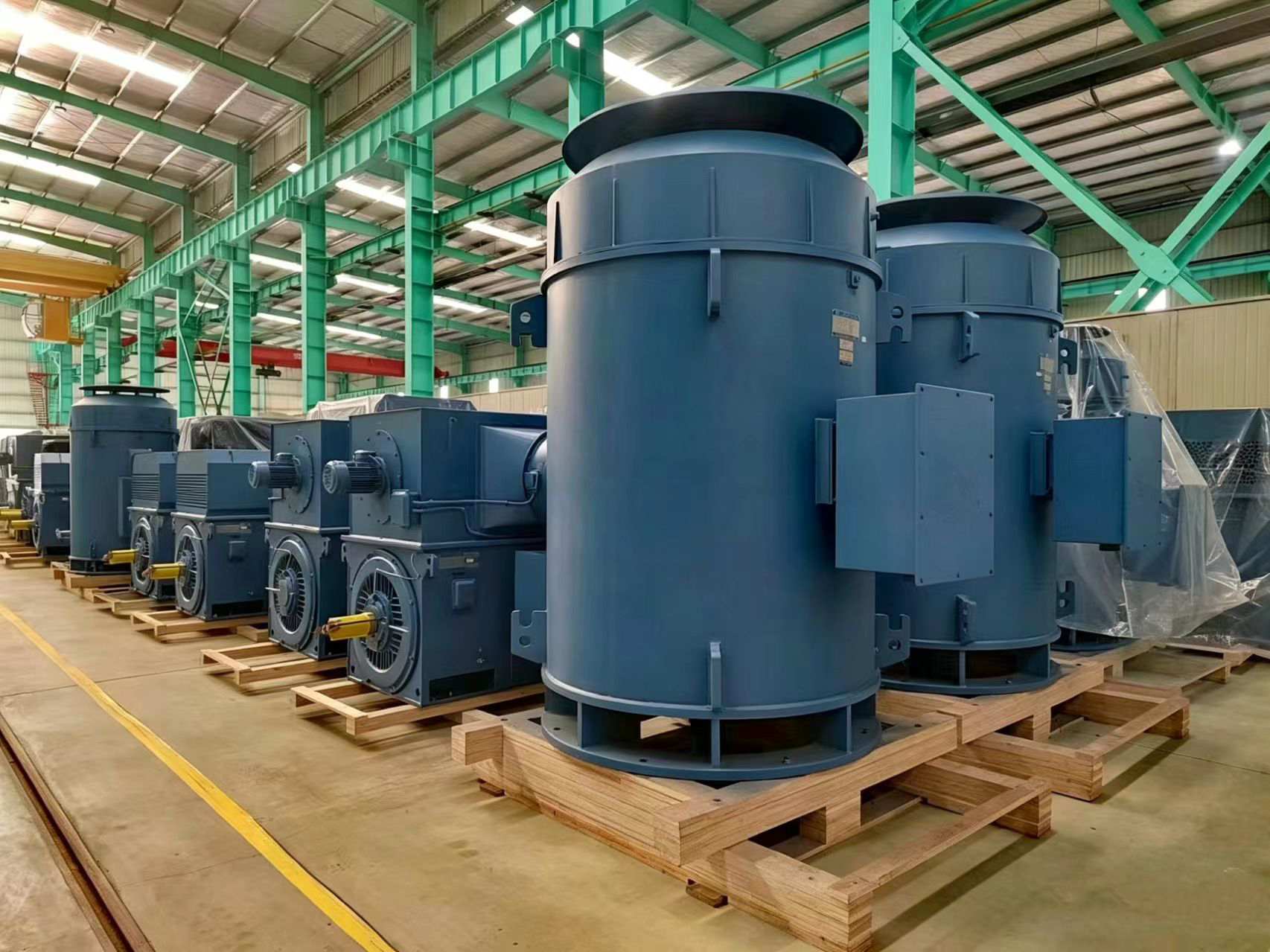
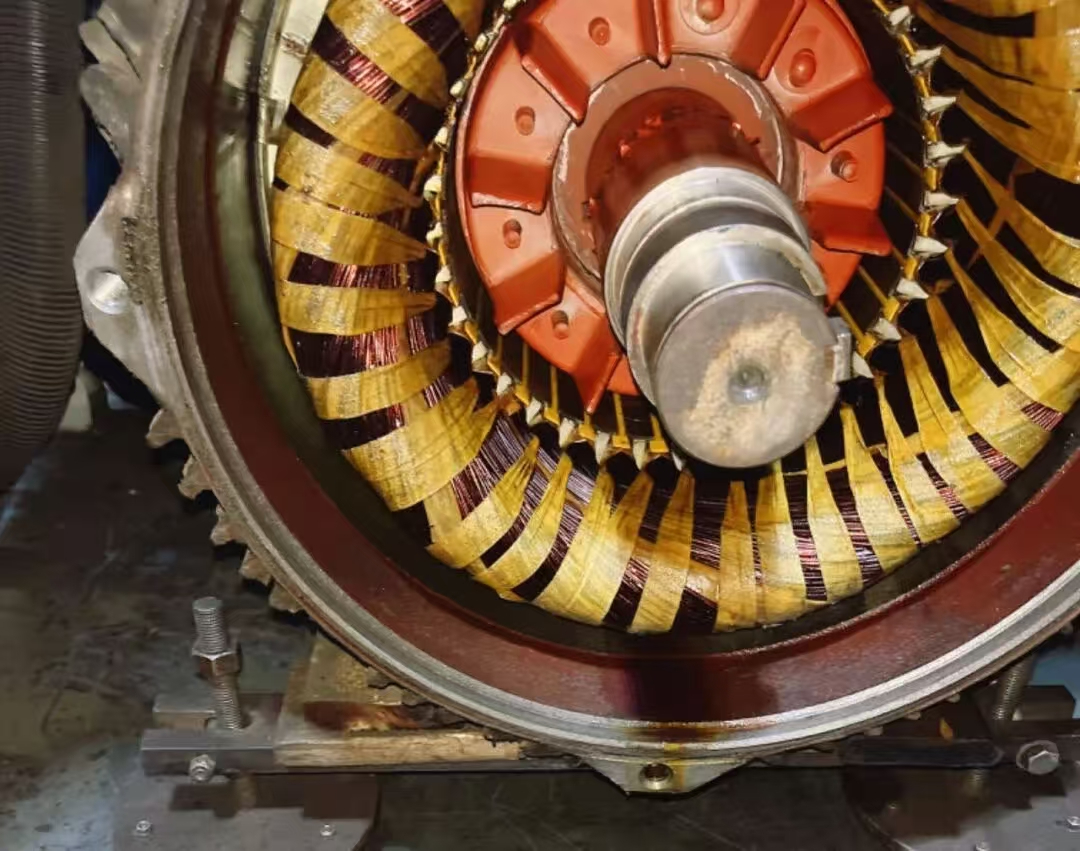
Proper control of radial clearance and positioning directly impacts motor efficiency, noise levels, and lifespan.
1. Radial Internal Clearance (RIC) Control
Pre-installation vs. operational clearance:
Initial clearance (pre-mounting) > working clearance (post-installation at operating temps).
Bearing Type selection:
Ball bearings: Zero or slight preload for optimal rigidity.
Cylindrical roller bearings: Maintain a small residual clearance to prevent overheating.
Standard clearance suits most cases.
However, if installation or operating conditions deviate from standard scenarios—for instance, when both inner and outer rings are interference-fitted, or when temperature differences between the rings are significant—bearings with larger or smaller clearance groups than standard should be chosen.
Lubrication:
Proper lubrication helps maintain the bearing's radial clearance by reducing friction and wear, preventing the clearance from increasing due to surface damage.

2.Bearing Positioning
Correct positioning of the bearings ensures uniform load distribution, minimizes vibrations, and improves operational stability.
Bearing Mounting: Bearings should be correctly mounted on shafts or housing to avoid misalignment, which can lead to excessive wear, vibration, and reduced life. Precision tools and alignment fixtures should be used during assembly.
Shaft and Housing Tolerances: Ensure that the shaft and housing are within the tolerance limits to ensure proper fit. An incorrect fit can lead to additional loads or clearance issues.
Axial and Radial Alignment: Bearings should be aligned both radially and axially to minimize any side load or tilt. Poor alignment can cause uneven loading, increased friction, and premature failure.
Preload Adjustment: Preloading bearings can help control the radial clearance by applying a slight axial load, which reduces the clearance to a desired level. However, the preload must not be too high, as it can increase friction and lead to overheating.
Bearing Retainers and Shields: Ensure that the bearing retainers and shields are installed correctly to maintain the bearing position and prevent contaminants from entering the bearing.
3.Monitoring and Maintenance:
Vibration Monitoring: Vibration analysis can help detect misalignment, imbalance, and bearing wear. Monitoring can allow for early detection of performance issues and enable corrective actions before failure.
Regular Inspections: Regular inspections and lubrication checks can help detect any discrepancies in bearing clearance or positioning. Ensure that any signs of wear or damage are addressed before they affect motor performance.
Load Balancing: Ensure that the load on the motor is evenly distributed to prevent overload on any particular bearing, which can lead to excessive wear and clearance changes.

Summary:
-
Choose the right bearing type and ensure proper manufacturing precision.
- Control bearing clearance through temperature, lubrication, and adjustment.
- Ensure proper alignment and positioning during motor assembly and during maintenance.
- Monitor performance through vibration analysis to detect issues early.
By paying attention to these factors, you can enhance the motor's performance, extend its service life, and reduce the risk of failure due to bearing issues.