
In electric motor applications, bearing clearance is a small detail, but it has a big impact on motor reliability.
For industrial motors, especially high-voltage motors, the matching between motor speed and bearing clearance directly affects temperature rise, vibration, noise, bearing life, and long-term operating stability.
If the bearing clearance is too small, thermal expansion during operation may cause excessive heat, abnormal noise, or even bearing seizure. If the clearance is too large, the motor may face higher vibration, reduced accuracy, and unstable operation.
So, how can we make a safer and more reliable selection?
For low speed motors, standard clearance is usually suitable because the temperature rise is relatively low and stable operation is more important.
For medium speed motorswith continuous operation, larger clearance is often preferred to compensate for thermal expansion and reduce overheating risk.
For high speed motors and variable frequency motors, greater attention should be paid to temperature difference, speed variation, lubrication, and bearing fit. In many cases, larger clearance or special bearing clearance selection may be required.
For high precision applications, clearance selection should also consider vibration control, running accuracy, rigidity, and equipment requirements.
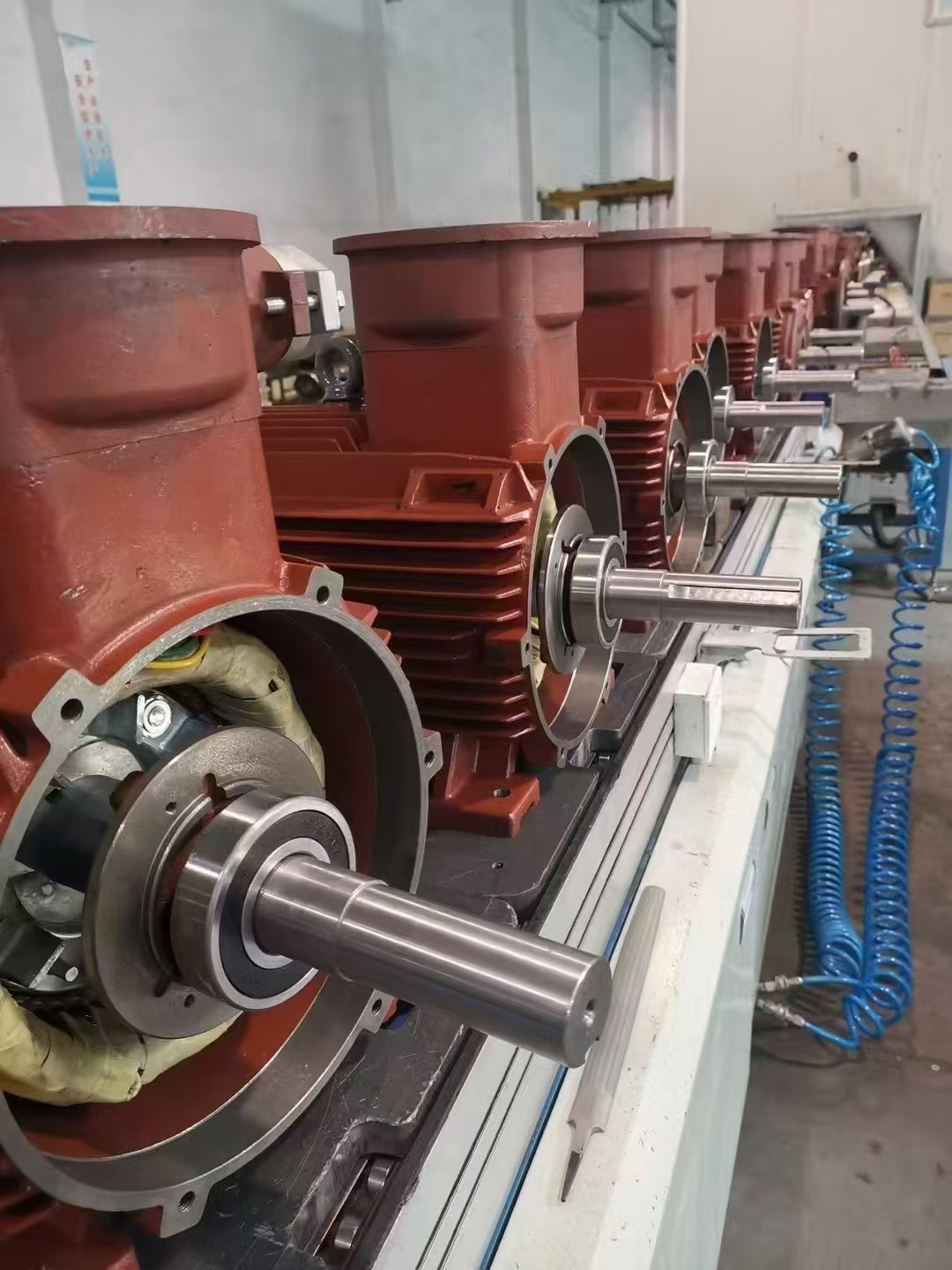
In practice, bearing clearance should never be selected based on speed alone. A professional evaluation should include:
Motor speed
Bearing type
Load condition
Temperature rise
Shaft and housing fit
Lubrication method
Vibration requirements
Actual working environment
As a supplier of electric motors and high voltage motors, we believe that reliable motor performance comes from careful engineering details, not only from nameplate parameters.
Correct matching of speed, bearing clearance, temperature rise, and working conditions helps customers achieve safer operation, longer service life, and lower maintenance risk.
Because for industrial motors, reliability is always built into the details.
You may also find these interesting:

About DELOTEK
motor manufacturer, HV motor manufacturer, high voltage motor manufacturer, electric motor muanufacturer