In motor applications, monitoring current is standard practice for judging performance. When current exceeds rated limits, we often assume "overload." But is high current always caused by overload?
This is a critical distinction for troubleshooting. Let’s explore the essential differences between motor overload and overcurrent.
The Core Difference: Cause vs. Effect
· Overload is the "Cause" (Mechanical State): It means the motor is burdened beyond its designed mechanical capacity. It describes the state of the load relative to the motor's power.
· Overcurrent is the "Effect" (Electrical Symptom): It means the actual running current exceeds the motor's rated current. It is purely an abnormal electrical parameter.
Differing Root Causes
1. Overload Causes (Mechanical Focus):
Overload reasons are specific and directly related to the physical load.
· Sudden increase in the driven equipment's load.
· Improper sizing: Using an undersized motor for the job ("small horse pulling a big cart").
· Mechanical faults increasing resistance (e.g., worn bearings, jammed transmission parts).
2. Overcurrent Causes (Broader Scope):
Overcurrent reasons are much wider. They include all overload scenarios, plus internal electrical faults unrelated to the load.
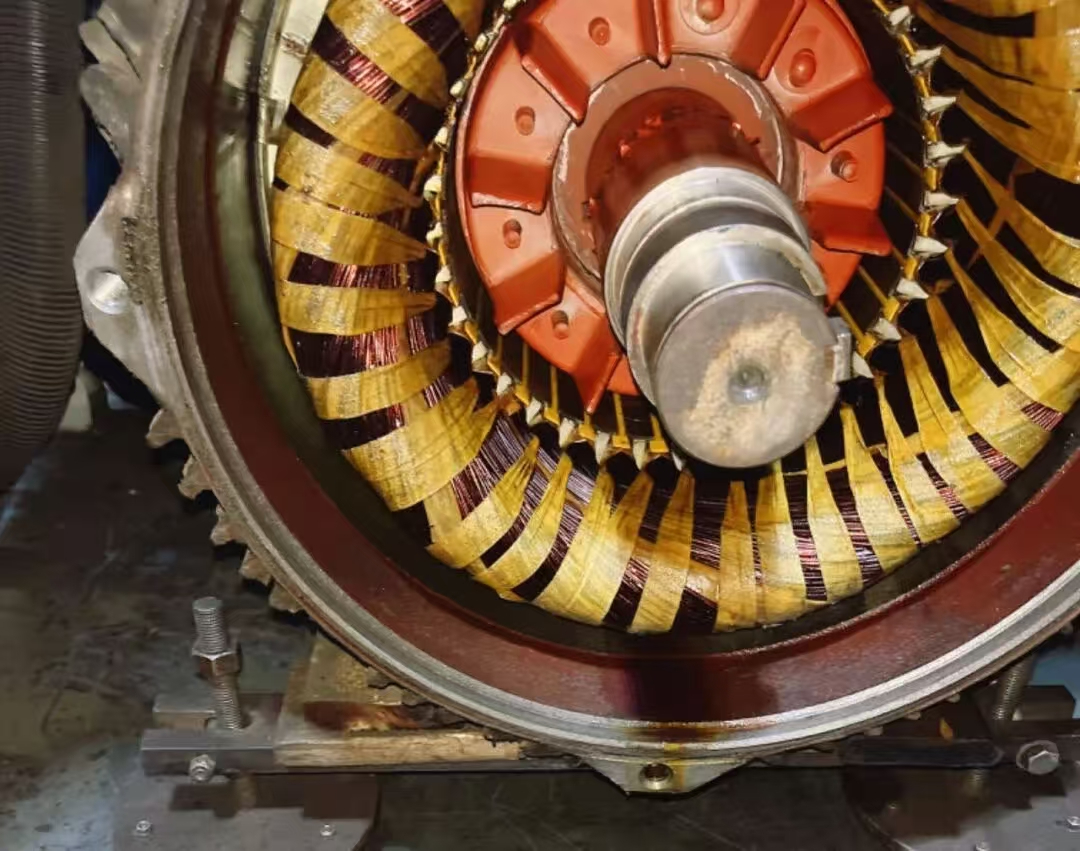
· Non-Overload Factors: Stator winding short circuits, insulation breakdown, abnormal power supply voltage, or phase loss.
· Manifestations and Symptoms
Overload Symptoms (Mechanical):
Overload shows primarily in physical performance.
· Noticeable drop in motor speed and difficulty driving the load.
· Increased mechanical noise and intensified vibration.
· Long-term consequence: Mechanical wear leading to eventual electrical failure (overheating windings).
Overcurrent Symptoms (Electrical):
Overcurrent is defined by data.
· The primary indicator is current readings exceeding the rated value.
· If caused by electrical faults (like a short circuit), current spikes instantly, potentially burning windings or tripping breakers immediately, often without preceding mechanical symptoms.
Summary
Motor overload always results in overcurrent, but overcurrent is not always caused by overload.