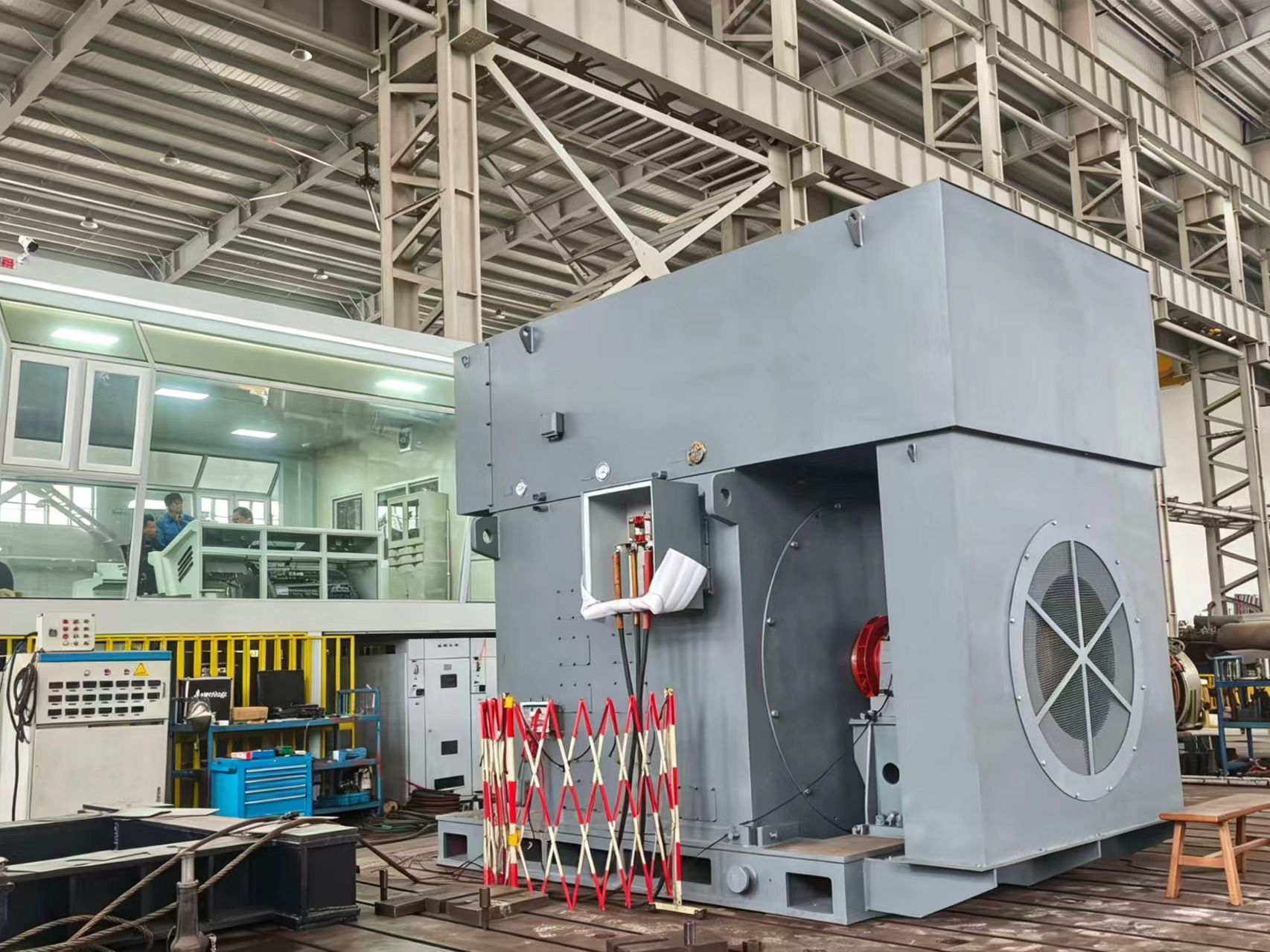
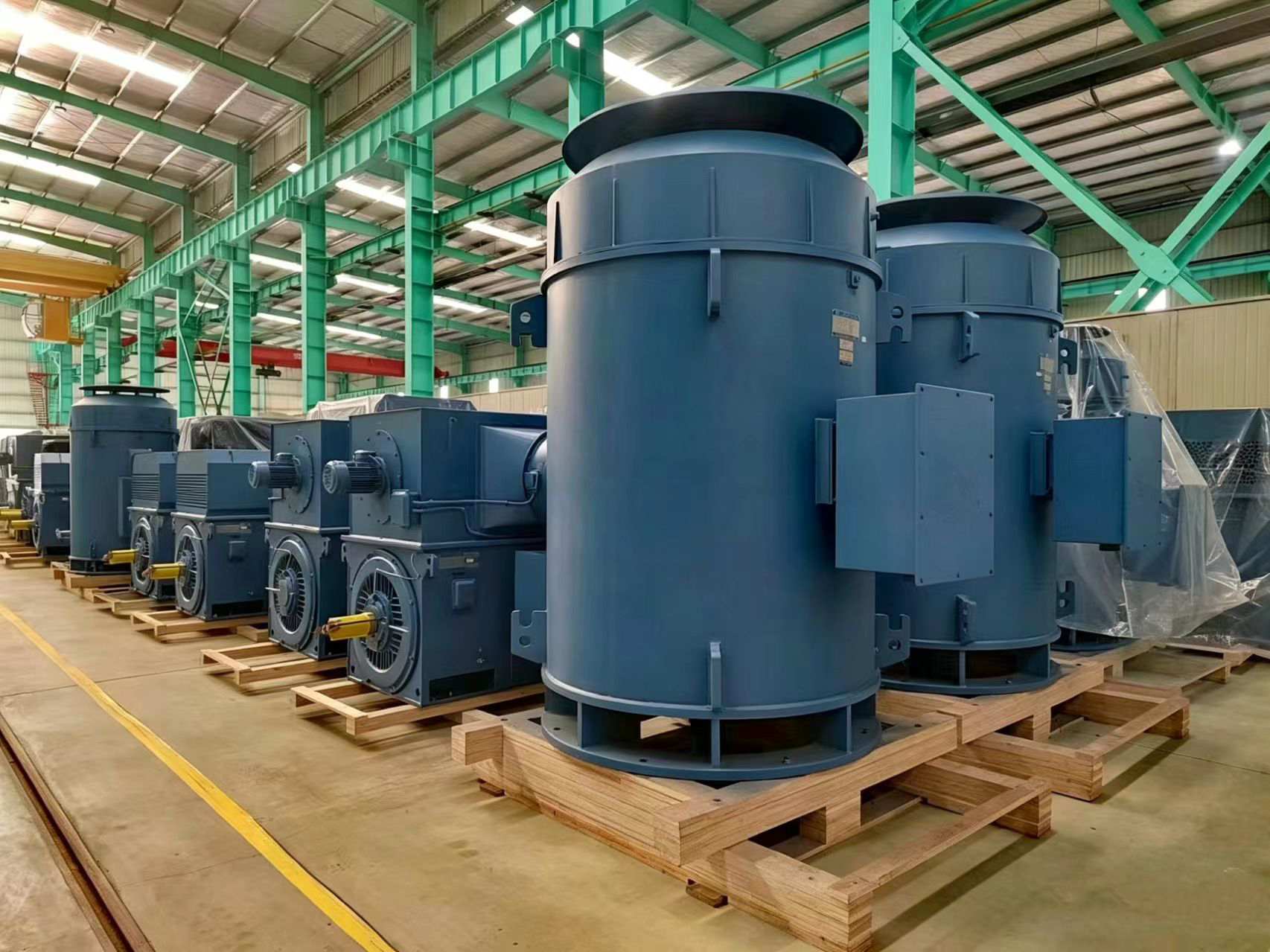
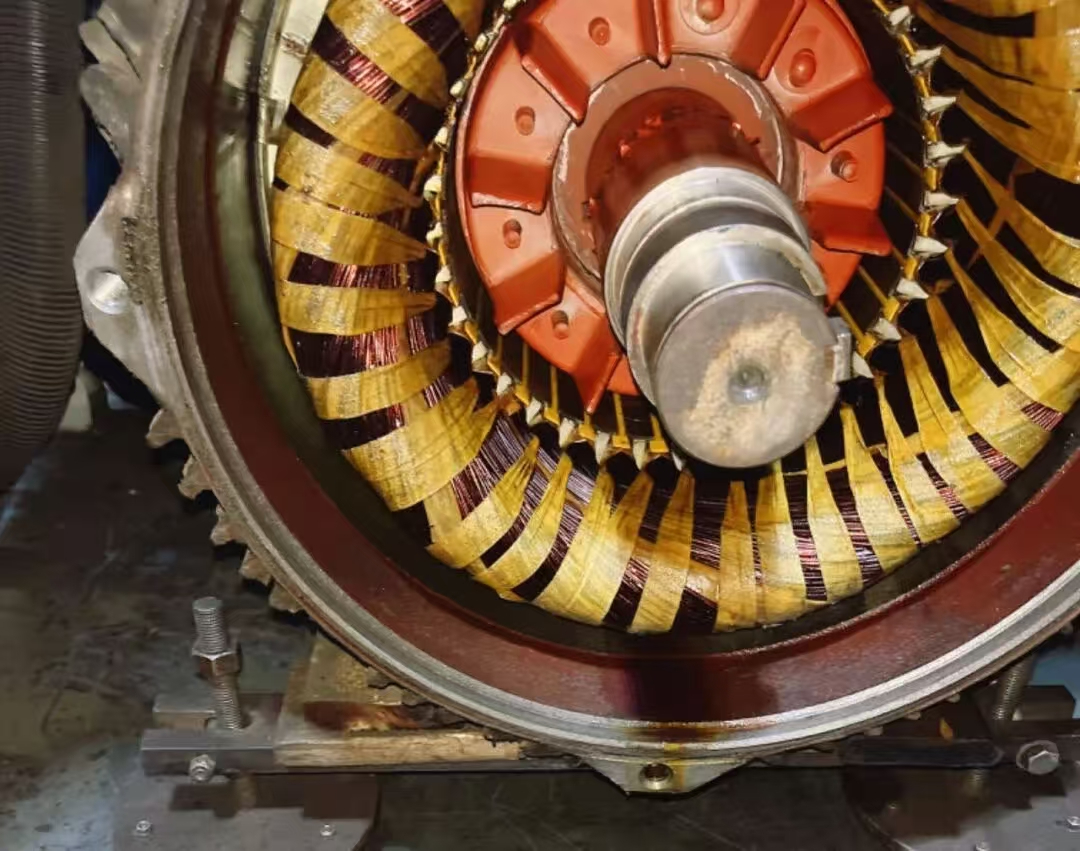
To ensure the safe operation of electric motors, potential faults can be identified and prevented through four primary sensory methods: sight, hearing, smell, and touch. Below are the specific checks for each method:
1. Sight (Visual Inspection)
Observing the motor during operation can reveal various issues:
Stator Winding Short Circuit: If there is smoke coming from the motor, it may indicate a short circuit in the stator windings.
Severe Overload or Phase Loss: When a motor operates under heavy load or loses a phase, the speed will decrease, accompanied by a heavy "humming" sound.
Unexpected Motor Stop: If the motor runs normally but suddenly stops, check for sparks at the disconnected wiring, fuse blown, or components being jammed.
Excessive Vibration: This could indicate a jammed drive mechanism, poor motor fixation, or loose foot bolts.
Discoloration, Burn Marks, or Smoke: These signs at the motor's connection points suggest local overheating, poor conductor connections, or potential winding damage.
2. Hearing (Sound Inspection)
Electric motors should operate with a smooth, uniform "humming" sound. If abnormal noises are present, it could signal impending failure:
Electromagnetic Noise:
Irregular "humming" sound: Caused by an uneven air gap between stator and rotor, often resulting from bearing wear or misalignment.
Unbalanced Three-Phase Current: This could be due to incorrect grounding, short circuits, or poor connections. A dull sound may indicate severe overload or phase loss.
Loose Core: Vibration causing loose bolts and silicon steel sheets in the core can lead to noise.
Bearing Noise: Regularly monitor bearing noise during operation by using a screwdriver:
"Squeaking" sound: Indicates metal-on-metal friction, usually due to insufficient lubrication.
"Clicking" or "Chirping": Caused by dried or insufficient lubrication.
"Grinding" or "Rattling" noise: Suggests damage to the bearing balls or dried grease, or long periods of inactivity.
Drive Mechanism Noise:
"Popping" sound: Likely due to uneven belt joints.
"Thumping" sound: Caused by loose couplings or worn keys and keyways.
Uneven collision sounds: Caused by fan blades hitting the fan casing.
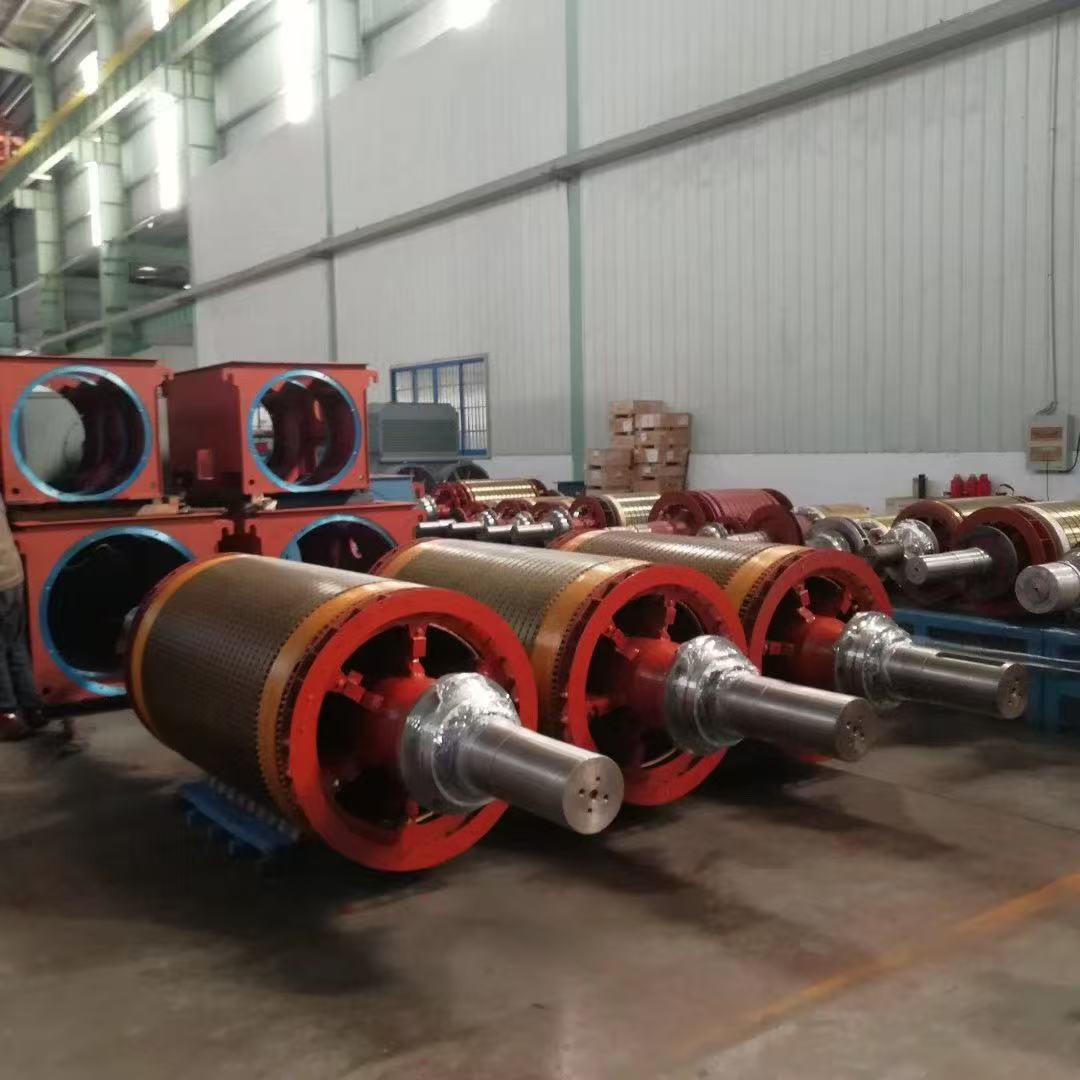
3. Smell (Odor Inspection)
Motor odor can provide crucial clues about the state of internal components:
Overheating or Insulation Failure:
Burning or fried smell: Indicates that the motor has overheated, potentially damaging the insulation or causing winding burnouts.
Strong burnt odor: Likely caused by insulation breakdown, leading to short circuits or burned windings.
No smell: If there's no odor but the motor shows electrical issues, check the insulation resistance using a megohmmeter. A reading under 0.5 megohms indicates damage, requiring drying.
4. Touch (Temperature Check)
Touching certain parts of the motor can help identify problems related to overheating or abnormal conditions. Always use the back of your hand for safety:
Temperature Check:
Poor ventilation: Such as a fallen fan or blocked ventilation pathways.
Overload: Results in excessive current and overheats the stator windings.
Winding Short Circuit or Imbalance: High temperature could indicate short circuits or imbalanced current.
Frequent Start/Stop Cycles: Can lead to overheating.
Bearing Overheating: Excessive heat around the bearings may be a sign of damage or insufficient lubrication.
Bearing Temperature Regulations and Issues
Bearings are crucial to motor function, and their temperature must be monitored:
Maximum Temperature for Bearings: Rolling bearings should not exceed 95°C, while sliding bearings should not exceed 80°C. The temperature rise (difference between bearing temperature and ambient temperature) should not exceed 55°C.
Causes and Solutions for Excessive Bearing Temperature:
Cause: Bent shaft or misalignment.
Solution: Re-align the shaft.
Cause: Loose foundation bolts.
Solution: Tighten foundation bolts.
Cause: Contaminated lubrication oil.
Solution: Replace the oil with clean lubricant.
Cause: Overdue lubrication oil change.
Solution: Clean the bearing and replace the oil.
Cause: Damaged bearing balls or rollers.
Solution: Replace the bearing.
By regularly performing these checks using sight, sound, smell, and touch, potential motor faults can be identified early, preventing further damage and ensuring the safe and efficient operation of the motor.